Disability Pride Month 2026: History, Meaning, ADA Impact and Ways to Celebrate

Jake Newby
| 4 min read
Jake Newby is a brand journalist for Blue Cross Blue Shield of Michigan.
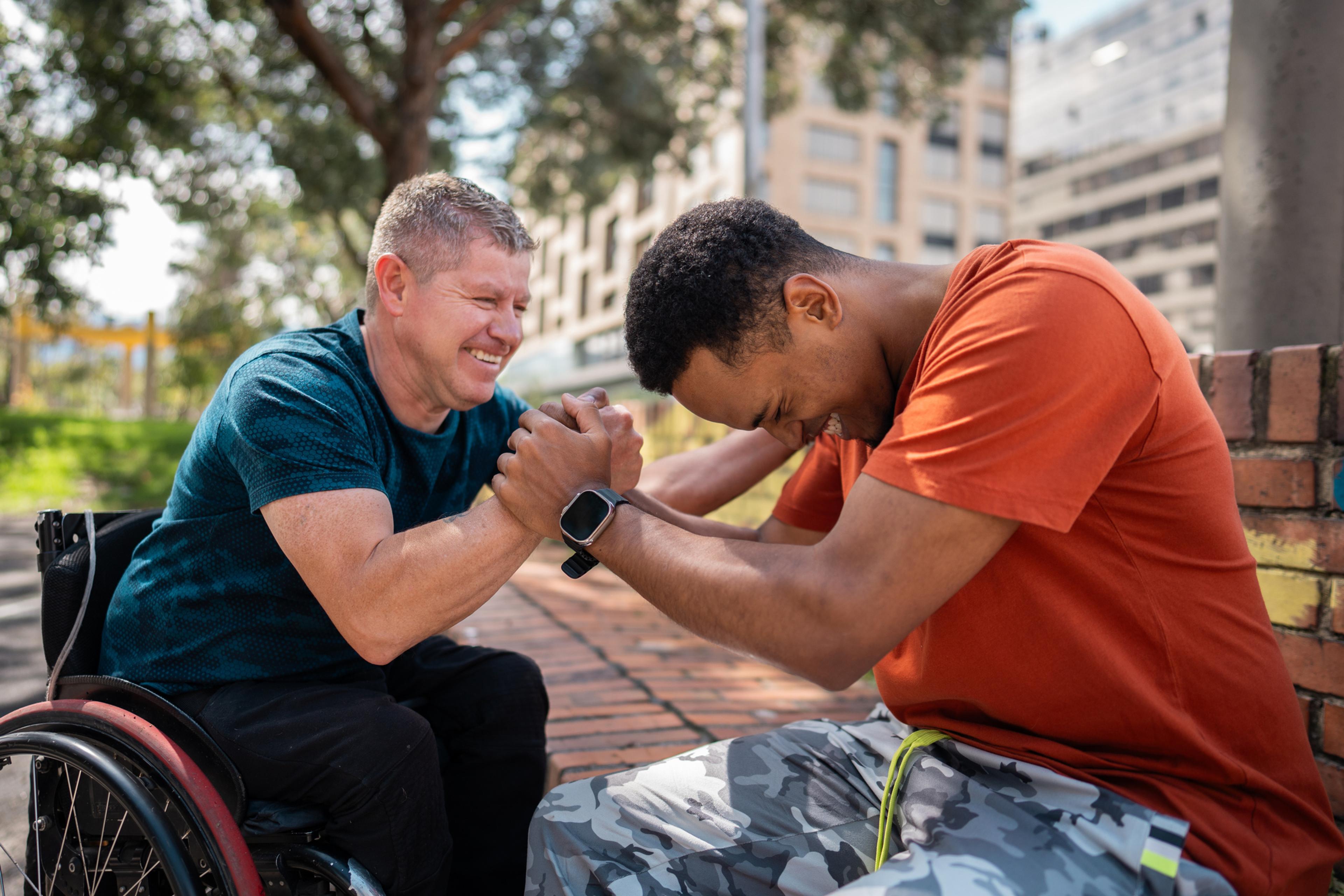
More than one in four adults in the United States (29%) have some type of disability – whether seen or unseen – according to the Centers for Disease Control and Prevention (CDC). Millions of adults have learning, developmental or intellectual disabilities, as well as mental or chronic illnesses.
Disability Pride Month is an annual observance held each July to celebrate the identities, contributions and achievements of people with disabilities. The month also commemorates the signing of the Americans with Disabilities Act (ADA) on July 26, 1990, and promotes accessibility, inclusion and disability rights.
Since the initial celebration of Disability Pride Month in 2015, cities across the U.S. have celebrated the observance with parades and other festivities.
Why the Americans with Disabilities Act is important during Disability Pride Month
The ADA enacted significant protections against discrimination in many areas of life for the disabled community. The law “guarantees that people with disabilities have the same opportunities as everyone else.” This applies to everyday activities such as:
- Accessing public facilities
- Shopping
- Telecommunication
- Transportation
Perhaps the ADA’s greatest impact has been in the workforce. It provides equal opportunities in employment and makes it unlawful to discriminate in employment against a qualified individual with a disability, according to the U.S. Equal Employment Opportunity Commission, which states that job discrimination against people with disabilities is illegal if practiced by:
- Employment agencies
- Labor-management committees and labor organizations
- Private employers
- State and local governments
Though there are still barriers to break and stigma to shatter, the ADA has helped shift how people perceive disability and has fostered greater awareness about the importance of inclusion.
What does the Disability Pride Month flag mean?
The Disability Pride Month flag was designed in 2019 by writer Ann Magill, a woman with cerebral palsy. The design was tweaked multiple times between then and 2021. Here is the meaning behind the current iteration of the flag:
- The charcoal gray background represents mourning the loss of disabled people who have died due to ableism, violence and negligence, as well as to protect against the mistreatment of the disabled community.
- The diagonal band represents disabled people’s need to cut through the barriers that separate them from society, as well as the darkness of ableism.
- The green band represents those with sensory disabilities.
- The blue band represents those with emotional and psychiatric disabilities, including anxiety, depression and mental illness.
- The white band represents those with unseen and undiagnosed disabilities.
- The gold band represents those who are neurodivergent.
- The red band represents those with physical disabilities.
Ways to celebrate and acknowledge Disability Pride Month
Members of the disabled community can let their voices be heard and celebrate the observance by sharing their story – both in person with family and friends and on social media platforms using the hashtags #DisabilityPride and #DisabilityPrideMonth.
Allies can celebrate by advocating for the disabled community and educating themselves, both throughout the month of July and year-round.
Learning to use the appropriate language is part of that education. We should use terms like “disability/disabled” and “person with a disability/disabled person” instead of ableist terms like “handicap/handicapped” and “special needs.” We should say a person “has a disability” or “is disabled” instead of saying they “suffer from” or are a “victim of” disability.
The 2026 theme of Disability Pride month is “The World Works Better with Us.” Detroit Disability Power will host Disability Pride 2026: Loud & Proud! on Saturday, July 11, from 4 to 7 p.m. at the LOVE Building on 4731 Grand River Ave., in Detroit. This is a free, family-friendly talent showcase celebrating disabled creators. Accessibility features, according to the Henry Ford Community College website, will include:
- ASL interpretation
- Wheelchair accessibility
- Low-scent space
- Low-stimulation room
- Flexible timing (come and go as you wish)
- Masks (organizers encourage you to wear a face mask)
Read on:
- What are Hidden Disabilities?
- Recreation Therapy Helps People with Disabilities Enjoy Adaptive Versions of Their Favorite Activities
- Recognizing and Managing Learning Disabilities in Students
Photo credit: Getty Images