These Snacks Can Help Keep Your Blood Sugar Stable Overnight

Jake Newby
| 4 min read
Jake Newby is a brand journalist for Blue Cross Blue Shield of Michigan.
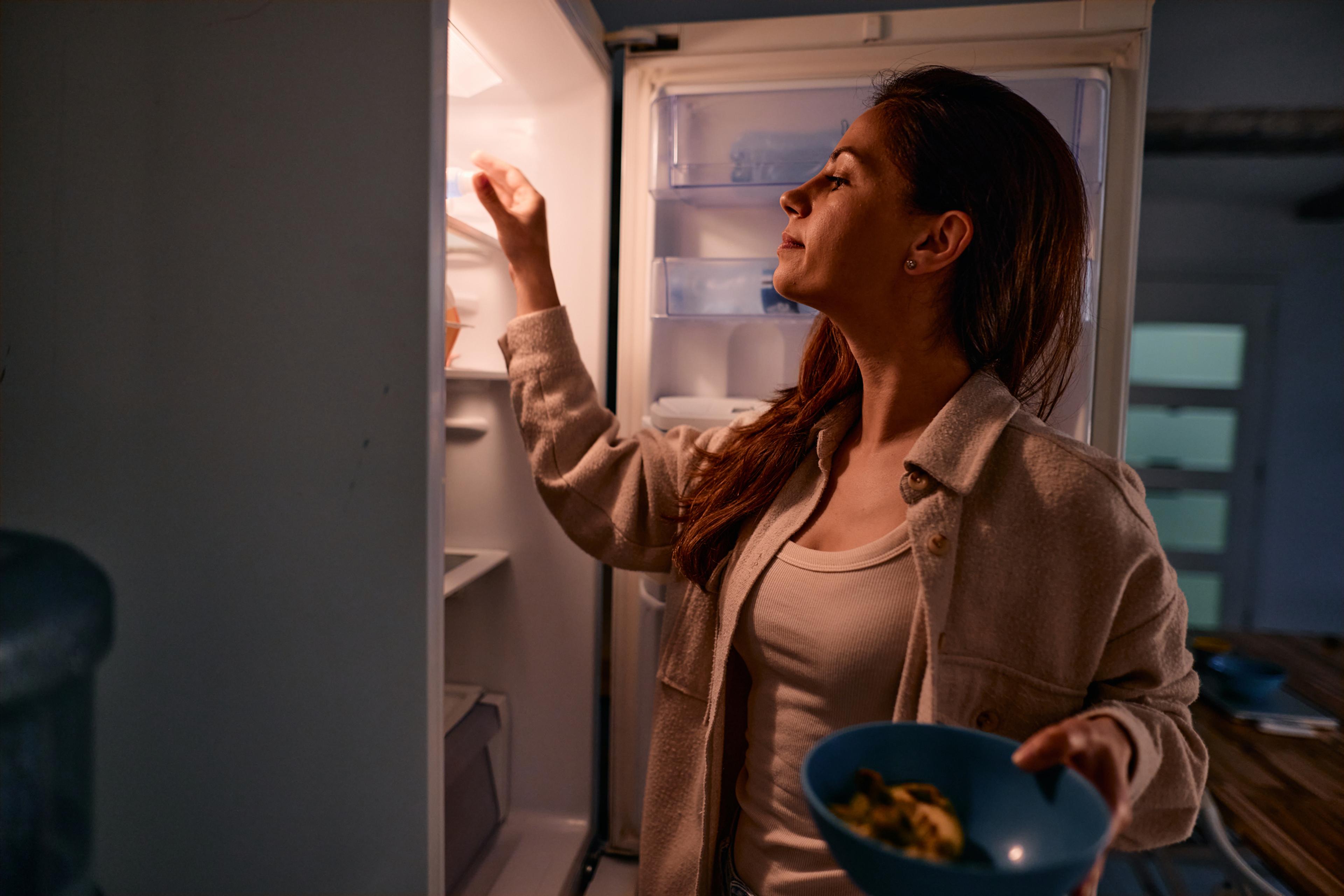
Keeping blood sugar levels within a healthy range is an important part of diabetes management, even while sleeping. For some people with diabetes, having a planned, healthy snack available at bedtime can help prevent low blood sugar overnight. However, eating before bed isn't necessary for everyone, and the wrong snack may cause blood sugar to rise by morning.
Understanding when to snack, which foods to choose and how sleep affects blood sugar can be a fine line to walk, but having the right guidance ultimately helps support better diabetes management.
Why stable blood sugar matters overnight
Blood sugar levels can fluctuate throughout the night as the body continues using and regulating glucose. For people with diabetes, certain medications – including insulin – can increase the risk of hypoglycemia, or low blood sugar, while sleeping.
Symptoms of nighttime hypoglycemia can include:
- Sweating
- Nightmares
- Restless sleep
- Waking up feeling tired, confused or irritable
Because a person is asleep, they may not recognize the symptoms immediately. Keeping an appropriate snack on hand can help when low blood sugar occurs, but it is important to follow an individualized treatment plan for hypoglycemia.
Some people taking insulin or other diabetes medications may need a bedtime snack to prevent or treat overnight lows, according to the Mayo Clinic. But if you have frequent nighttime episodes, you should talk to your physician, as they may be a signal that medication adjustments are needed.
A bedtime snack isn't a universal solution. Researchers behind a 2022 study involving bedtime snacks and blood sugar management in people with Type 2 diabetes or prediabetes found inconsistent evidence that bedtime snacks improved fasting blood sugar or overall glycemic control. This conclusion emphasizes the importance of choosing a snack based on individual needs rather than a blanket assumption that everyone benefits from eating before bed.
How can I stabilize my blood sugar overnight? Snacks that support blood sugar management
When a snack is appropriate, look for options that provide protein, fiber and healthy fats while keeping added sugar and portion sizes in check. These nutrients can help slow digestion and make a snack more satisfying.
These snack options recommended by the American Diabetes Association are worth keeping handy:
- Plain Greek yogurt: Provides protein and can be paired with a small serving of berries.
- Apple slices with peanut butter: Combines fruit fiber with protein and healthy fats.
- Nuts or seeds: Offer healthy fats, fiber and protein in a convenient portion.
- Vegetables with hummus: Provides fiber and plant-based protein.
- Cheese and whole-grain crackers: Combines protein and fat with carbohydrates.
- Hard-boiled eggs: Offer protein with very few carbohydrates.
The connection between sleep and diabetes
Sleep and diabetes are closely intertwined. Poor sleep can affect hormones involved in hunger and glucose regulation, potentially making blood sugar management more difficult. In turn, blood sugar fluctuations during the night can disrupt sleep and contribute to daytime fatigue.
Some research states the relationship between bedtime snacks and glucose management, highlighting that eating patterns and timing may matter in addition to food choices. But that does not mean there is a one-size-fits-all bedtime snacking strategy, which reiterates the importance of taking your individual needs into consideration – the best choice depends on individual blood sugar patterns, medications, dietary needs and guidance from your PCP or another healthcare professional. (This section repeats an aforementioned point and I’d recommend removing it. Also, the first sentence is unclear and I’m unsure of what is actually being communicated).
Why late-night snacking requires caution
Eating late at night can add calories and contribute to elevated blood sugar the following morning if you indulge in snacks high in carbs. Sugary cereals, cookies, candy and other highly processed snacks are less helpful than balanced, nutrient-rich options.
The Mayo Clinic recommends drinking water first if hunger strikes after dinner, since thirst can sometimes feel like hunger. If hunger persists, a small, low-carbohydrate snack containing protein and fiber may be appropriate.
Rather than automatically eating before bed, pay attention to blood sugar readings and patterns. Anyone experiencing frequent overnight lows or consistently high morning readings should discuss them with their physician. A personalized approach can help determine whether a bedtime snack is beneficial, which foods are appropriate and whether changes to medication or meal timing are needed.
Additionally, maintaining a consistent sleep schedule, following a diabetes management plan and monitoring blood sugar as recommended can help support both sleep quality and glucose control.
Related Diabetes Awareness Month content:
- How Is Sleep Linked to Increased Type 2 Diabetes Risk?
- Diabetes is Increasing in Young People: What to Know
- 5 Things to Limit or Avoid When Living with Diabetes
Photo credit: Getty Images