Alcohol Poisoning Symptoms

Jake Newby
| 4 min read
Jake Newby is a brand journalist for Blue Cross Blue Shield of Michigan.

Alcohol can be hard to avoid and easy to overconsume. It is so widely acceptable and available that more than half of all adults in the United States drink, and more than 90% of U.S. adults who drink excessively binge drink, according to the Centers for Disease Control and Prevention (CDC).
Long-term excessive alcohol consumption is associated with many physical and mental health risks but abusing the substance in the short term can be dangerous, as well. Look no further than alcohol poisoning – sometimes known as alcohol overdose – as a potentially fatal result of drinking a lot of alcohol in a short amount of time.
If you or someone around you irresponsibly drinks to the point where alcohol poisoning is a possibility, knowing the signs and symptoms can be lifesaving.
What is alcohol poisoning?
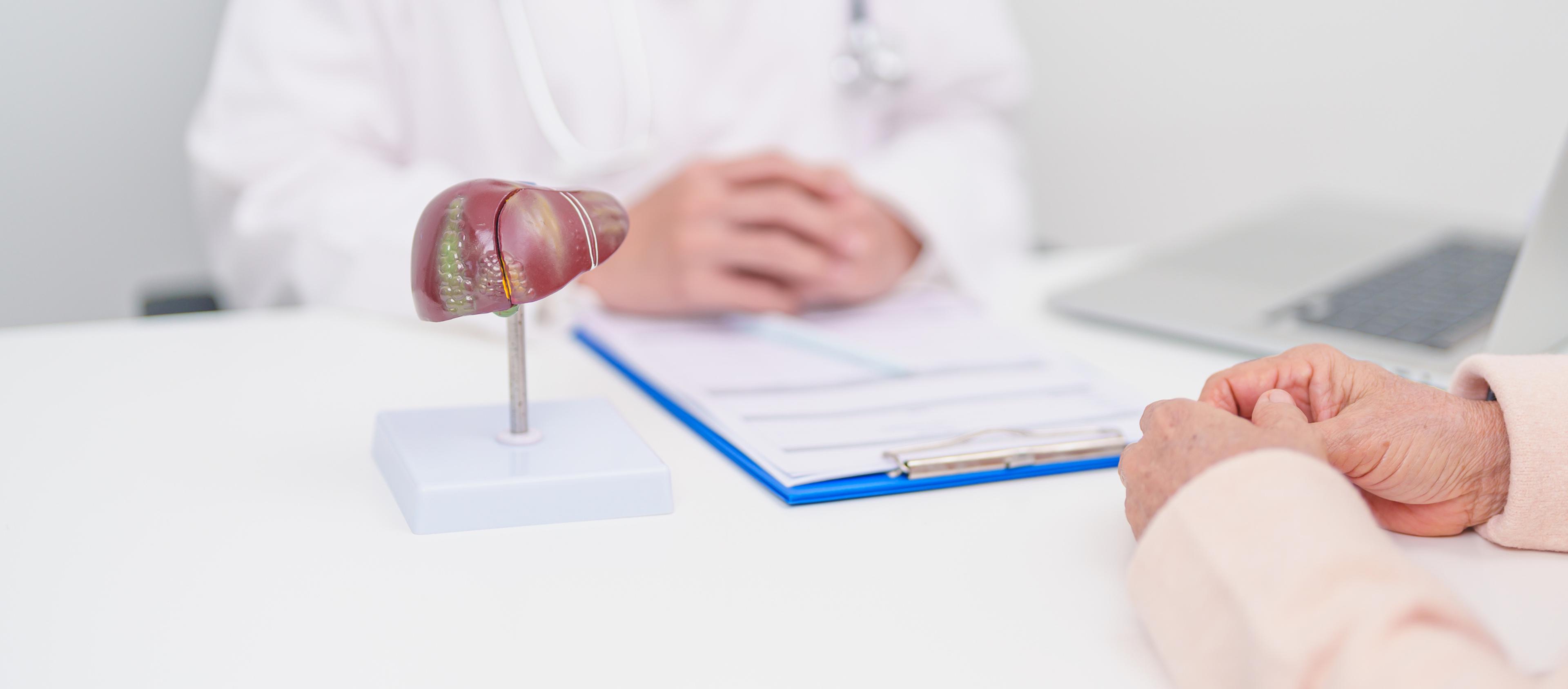
Alcohol poisoning occurs when someone drinks more alcohol than their body can handle. The liver can usually process about one standard drink per hour, according to the Cleveland Clinic. When you exceed that amount, alcohol builds up in your bloodstream and starts affecting vital functions like breathing, heart rate and body temperature and gag reflex.
Binge drinking is the most common cause. That’s usually defined as four or more drinks for women, or five or more drinks for men, in about two hours. As blood alcohol concentration (BAC) increases, so does impairment. These factors can dictate how alcohol affects you, too:
- Body weight
- Tolerance
- Gender
- Whether you’ve eaten
Mixing alcohol with medications or other substances makes it even riskier.
Symptoms of alcohol poisoning
Knowing the signs of alcohol poisoning is critical. Here are critical symptoms to watch for, according to the National Institute on Alcohol Abuse and Alcoholism:
- Mental confusion, stupor
- Difficulty remaining conscious, or inability to wake up
- Vomiting
- Seizures
- Slow breathing (fewer than eight8 breaths per minute)
- Irregular breathing (10 seconds or more between breaths)
- Slow heart rate
- Clammy skin
- Dulled responses, such as no gag reflex (which prevents choking)
- Extremely low body temperature, bluish skin color, or paleness
How to help if someone is actively suffering from alcohol poisoning
If someone can’t be woken up after drinking, it’s a medical emergency. Sleeping it off won’t fix the problem, and could even make it worse, so if you suspect alcohol poisoning, dial 911 immediately. Do not leave an intoxicated person alone because they are at risk of getting injured from falling or choking. Keep the person on the ground in a sitting or partially upright position rather than in a chair, and while waiting for medical help to arrive, you should:
- Be prepared to provide information to the responders, including the type and amount of alcohol the person drank and any other substances the person took, if known, as well as any health information you know about the person, including current medications, allergies to medications and any existing health conditions.
- Help a person who is vomiting by having them lean forward to prevent choking. If a person is unconscious or lying down, roll them onto one side with an ear toward the ground to prevent choking. Do not try to give them food or beverages of any kind.
Pacing is key: tips to prevent alcohol poisoning
If you and the people around you decide to drink, prioritize pace by alternating alcoholic drinks with water and eat before drinking. Keep track of how much you’re drinking and know your limits. Alcohol can sneak up on you, especially when drinks are stronger than you expect.
Social situations can make drinking riskier, as peer pressure, games and celebrations can encourage overdoing it. Look out for friends and step in if someone is drinking too fast. Encouraging a culture of responsibility makes a difference.
Education matters, too. Many young adults don’t realize how quickly alcohol can become dangerous. Understanding the risks and knowing the warning signs can help people make safer choices and respond quickly if someone is in trouble.
If you are concerned about how your alcohol use interferes with your everyday life, a health care provider can connect you to resources for recovery and help you stay sober. Blue Cross Blue Shield of Michigan and Blue Care Network can help members find an in-network mental health professional by calling behavioral health access lines listed below:
PPO: Behavioral Health Access Line | 1-800-762-2382
A free and confidential resource that’s just a call away when you need immediate support. Behavioral health professionals answer, 24/7.
HMO: Behavioral Health Access Line | 1-800-482-5982
Connect with a behavioral health clinician if you need help finding a mental health or substance use provider.
Behavioral health clinicians are available for routine assistance from 8 a.m. to 5 p.m. Monday through Friday. For urgent concerns after hours, clinicians are also available 24 hours a day, seven days a week.
Read more:
- How Alcohol Impairs the Sleep Cycle
- High Intensity Drinking Increases During the Holidays. Gift Yourself Good Health this Year by Reducing Your Alcohol Intake
- The Effects of Drugs and Alcohol on the Teenage Brain
Photo credit: Getty Images