Why Women are More Likely to be Diagnosed with Depression than Men
Lindsay Knake
| 4 min read
Lindsay Knake is a brand journalist and project planner for Blue Cross Blue Shield of Michigan. She previously worked in higher education and for The Saginaw News and Ann Arbor News.
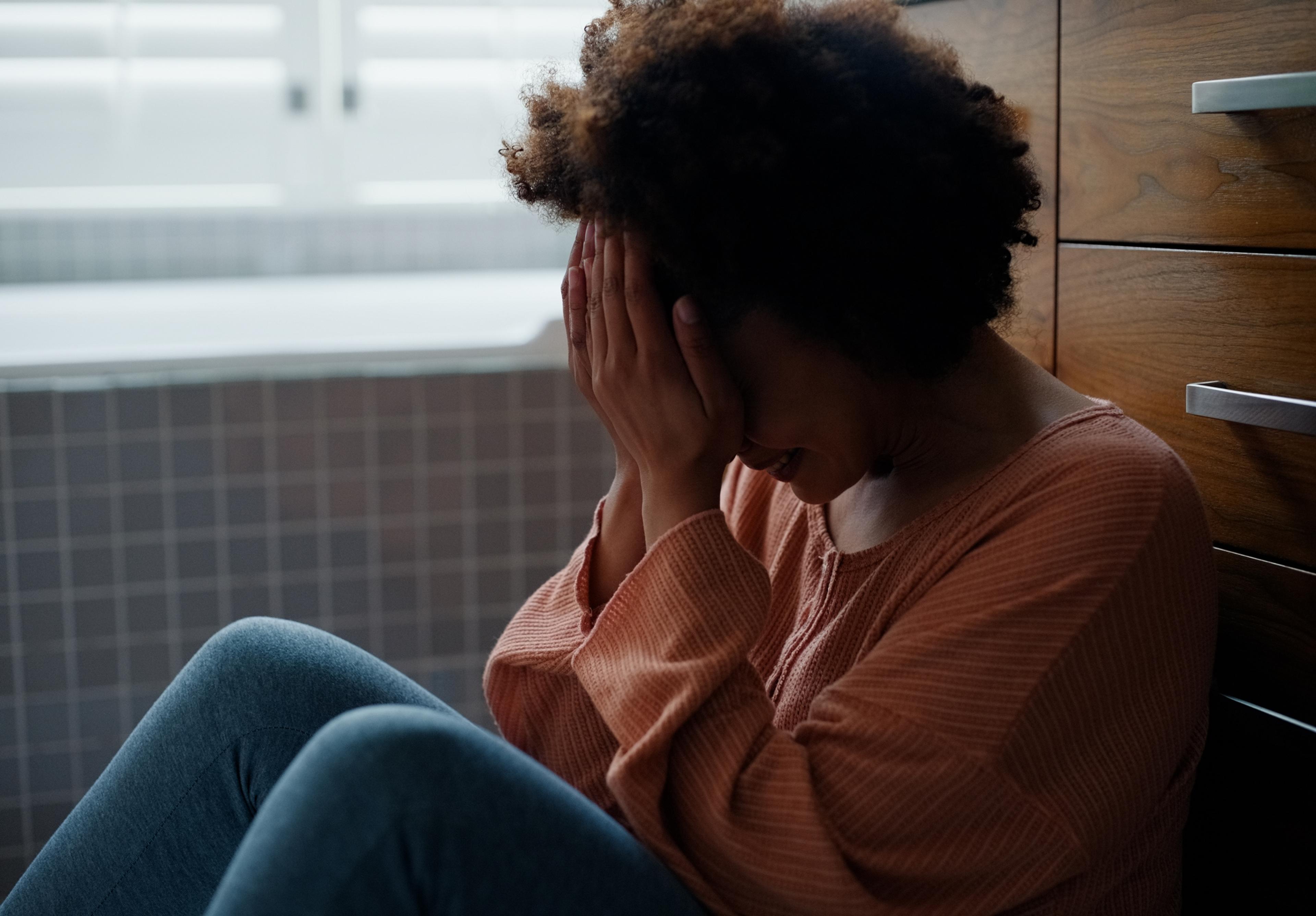
Women are about twice as likely as men to be diagnosed with depression, according to the U.S. Office of Women’s Health. While about 10.4% of women will experience depression in their lifetime, about 5.5% of men will.
Learn more about the symptoms of depression and why depression affects women more than men.
What is depression?
Depression is a common mental health condition characterized by persistent feelings of sadness that last for two or more weeks, according to the Cleveland Clinic. While some people can experience mild depression and still function, the condition can be disabling in severe cases.
Common symptoms of depression include:
- Fatigue or exhaustion
- Feeling sad, irritable, restless or hopeless
- Loss of interest in socializing, hobbies and work
- Increased or decreased appetite
- Difficulty sleeping or sleeping too much
- Difficulty concentrating
- Physical aches and pains and headaches
- Negative thoughts about yourself and others, including thoughts of suicide or self-harm
There are different kinds of depression, including:
- Major depressive disorder: also known as clinical depression, this is a common and more severe form of the condition.
- Persistent depressive disorder: a long-term, sometimes more mild form of the condition that involves a low mood or sadness on most days.
- Seasonal affective disorder: a type of depression triggered by changes in the season. It’s most common in the winter, but some may experience symptoms in the summer.
What causes depression in women?
Depression can have many different causes and triggers. Here are some common causes of depression in women:
- Family history: Women who have a family history of depression may have a higher risk of developing the condition.
- Stress: Women are more likely than men to report being stressed, according to the American Psychological Association, and chronic stress from experiences such as work, relationships or caregiving can increase risk of depression.
- Hormone levels: Changes in estrogen or progesterone during the menstrual cycle can increase a woman’s risk of depression, according to the Office of Women’s Health.
- Premenstrual dysphoric disorder (PMDD): A severe version of premenstrual syndrome, can also lead to feelings of depression in a small percentage of women. PMDD is also more common in women who experience depression.
- Perimenopause and menopause: Hormonal changes can lead to anxiety and depression in about half of women.
- Pain and medical conditions: Women who have a chronic illness or autoimmune disease that causes physical pain and emotional distress are more likely to develop depression. Women are more likely than men to have autoimmune disorders.
- Perinatal depression: The mood disorder affects pregnant and postpartum women for at least two weeks.
Managing depression
Common treatments for depression include identifying triggers and possible causes, therapy with a mental health professional and medication such as antidepressants.
Healthy habits don’t prevent depression, but they can help support your mental and physical health. These include:
- Eating a nutritious diet with fruits and vegetables, lean protein and whole grains.
- Limiting or avoiding alcohol.
- Regular aerobic exercise such as walking, biking or swimming 30 to 45 minutes a day five days a week. Talk to your PCP before starting a new exercise routine.
- Getting seven to eight hours of sleep a night.
Blue Cross Blue Shield of Michigan and Blue Care Network can help members find an in-network mental health professional by calling behavioral health access lines listed below:
PPO: Behavioral Health Access Line | 1-800-762-2382
A free and confidential resource that’s just a call away when you need immediate support. Behavioral health professionals answer, 24/7.
HMO: Behavioral Health Access Line | 1-800-482-5982
Connect with a behavioral health clinician if you need help finding a mental health or substance use provider.
Behavioral health clinicians are available for routine assistance from 8 a.m. to 5 p.m., Monday through Friday. For urgent concerns after hours, clinicians are also available 24 hours a day, seven days a week.
Learn more about mental health and options you have as a member to seek help at bcbsm.com/mentalhealth. For mental health emergencies, visit bcbsm.com/crisiscare for resources. You can also call or text 988 or visit the Suicide and Crisis Lifeline if you or a loved one is struggling with a mental health or substance use crisis.
Image: Getty Images
Related: