Simple Lifestyle Habits to Support Cervical Health

Lindsay Knake
| 3 min read
Lindsay Knake is a brand journalist and project planner for Blue Cross Blue Shield of Michigan. She previously worked in higher education and for The Saginaw News and Ann Arbor News.

Nearly 100% of cervical cancers are caused by human papillomavirus (HPV), making it important to take steps to protect yourself against this virus.
About half of all sexually active people get HPV. Most women who have the HPV virus will not develop cervical cancer, and the virus typically causes no symptoms and clears on its own, according to the National Cervical Cancer Coalition. But about 13,000 women in the United States are diagnosed with cervical cancer every year. This type of cancer is the fourth most common type of cancer in women, and it is also preventable.
Here are some simple lifestyle habits you can take to help prevent cervical cancer.
Get an HPV vaccine
The HPV vaccine can help prevent an HPV infection. The American Cancer Society (ACS) recommends children and young adults age 9 to 26 get the vaccine. Getting the vaccine earlier may help prevent cancer more than in young adults, however, it may still provide protection.
Talk to your primary care provider (PCP) or child’s pediatrician about the HPV vaccine.
Get recommended screenings
The ACS recommends women at average risk for cervical cancer gets screenings every three to five years from age 25 to 65. The main screenings are:
- Pap tests can detect precancerous cells in the cervix. These screenings are typically done every three years.
- HPV tests look for presence of the virus that can cause cell changes on the cervix. This test is typically done by a health care provider every five years.
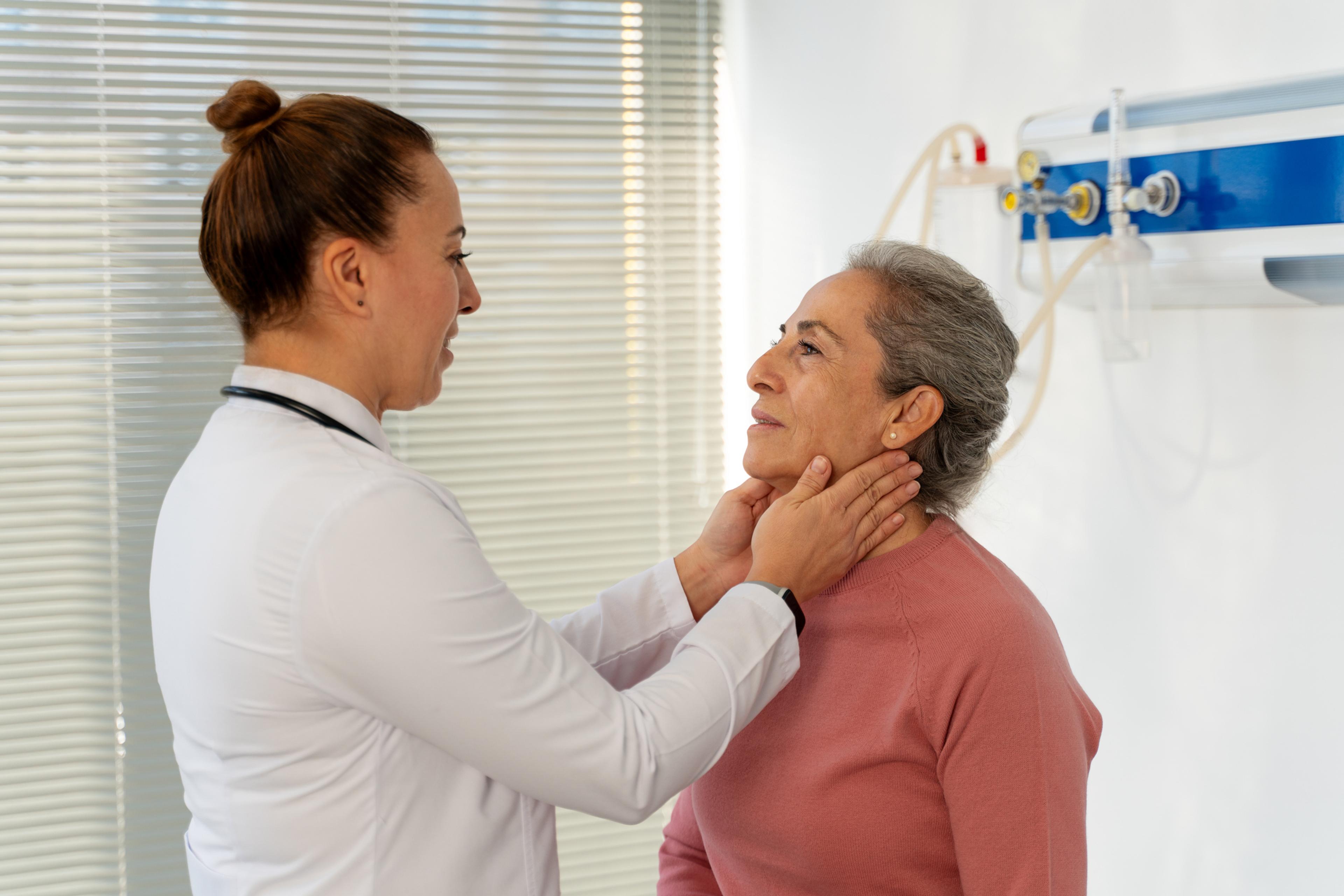
If any of these screenings show abnormal results, your PCP will help determine next steps.
Practice safe sex
HPV is passed between people through skin-to-skin contact with an infected area of the body, including but not only during sex. People who are sexually active from a young age and have multiple partners are more likely to contract HPV, according to the National Cancer Institute.
Practicing safe sex is important for limiting your risk of contracting the virus. Limiting the number of sexual partners reduces your risk of getting HPV, according to the Mayo Clinic. Using condoms during sex provides some protection against HPV, according to the ACS. Condoms don’t prevent all HPV infection because they don’t cover all possible HPV-infected areas of the body but are still important to reduce risk of infection.
Quit smoking
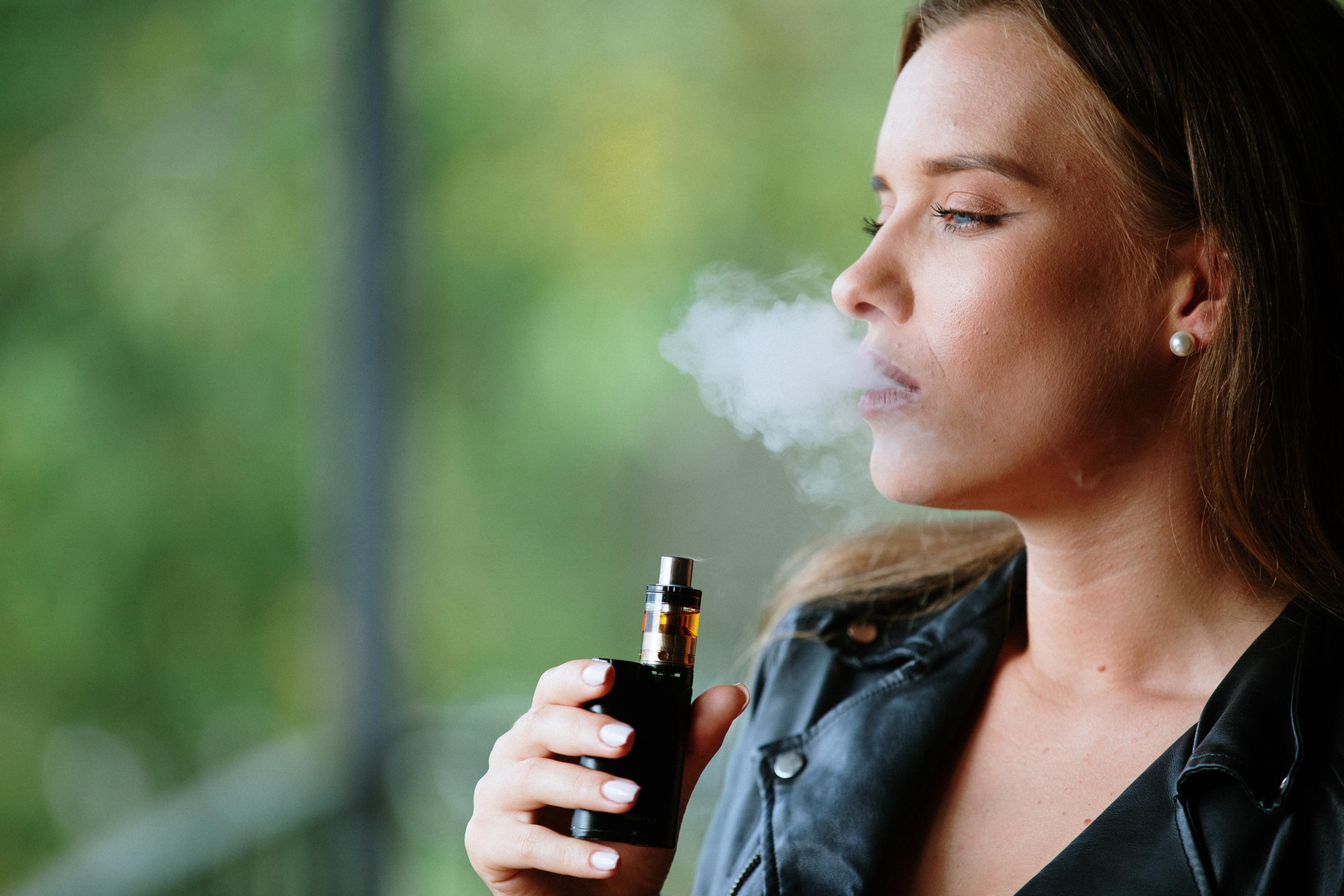
Smoking cigarettes and tobacco products increases the risk of developing cervical cancer, per the National Cancer Institute. Tobacco makes it more difficult for your body to clear the HPV infection. Quit or avoid smoking to reduce the risk of many different types of cancer.
Support your immune system
A healthy immune system may help fight the virus. Practice healthy lifestyle habits such as:
- Eating a healthy diet of fruit and vegetables, whole grains, lean meats or legumes
- Limiting excess sodium, sugar, caffeine and alcohol
- Getting seven to eight hours of sleep a night
- Getting aerobic exercise 30 minutes per session, five days a week
- Managing stress
If you are immunocompromised, talk to your PCP about prevention.
Image: Getty Images
Related: