Norovirus Cases Rise Across Michigan: Here’s What to Know

Lindsay Knake
| 3 min read
Lindsay Knake is a brand journalist and project planner for Blue Cross Blue Shield of Michigan. She previously worked in higher education and for The Saginaw News and Ann Arbor News.
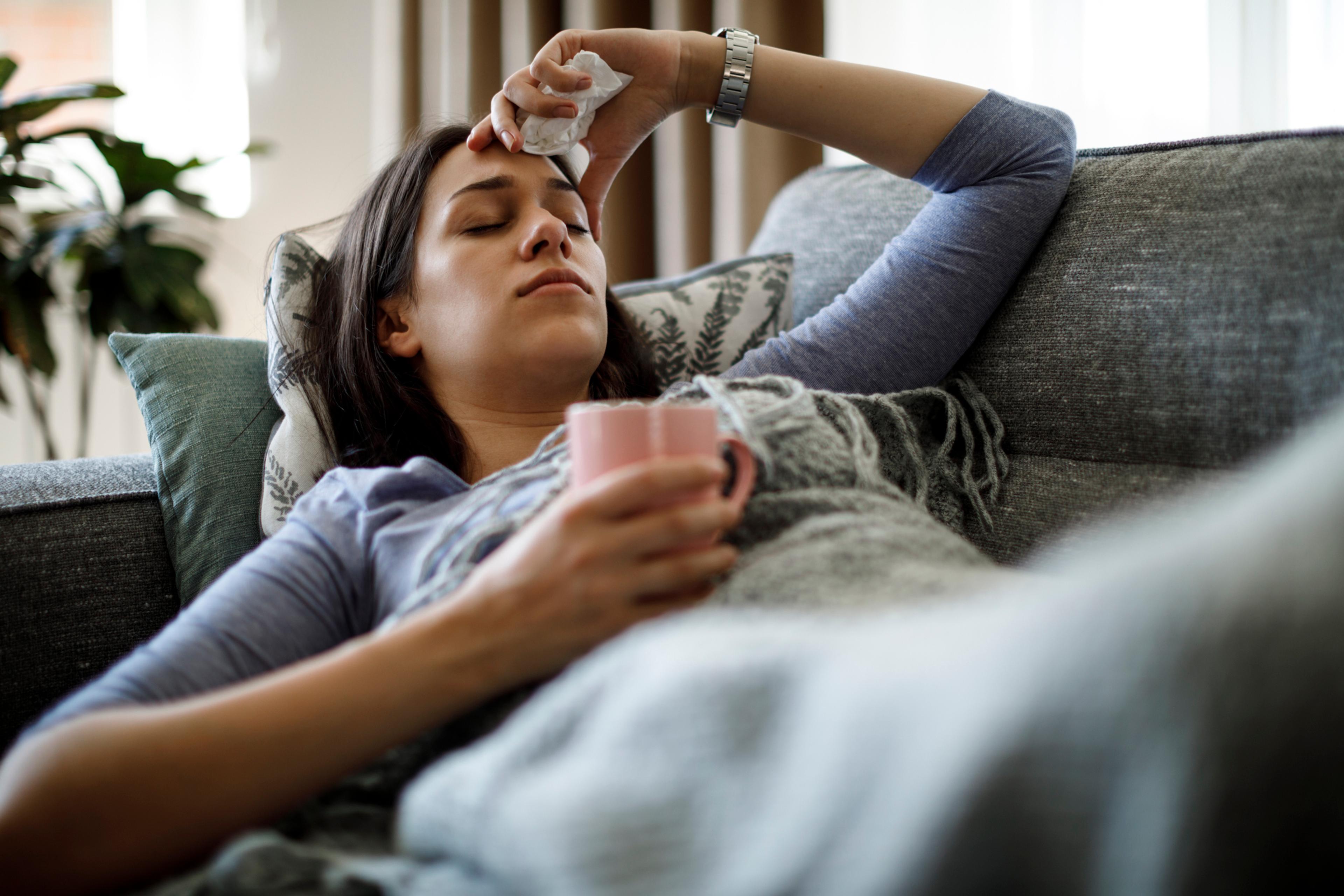
Norovirus cases are surging across the United States, including in Michigan.
Since October, norovirus concentrations in wastewater have increased by nearly 70% across the country, according to Stanford and Emory universities’ WasterwaterSCAN. This program gathers data from municipal wastewater systems to monitor infectious diseases across the U.S. There have been more than 150 norovirus outbreaks since August, which is less than in 2024, but this season’s version of the virus may be more contagious.
Michigan is a particular hotspot for the norovirus surge as of December, per data from WastewaterSCAN. In wastewater from plants in Ann Arbor, Jackson, Jenison, Mount Pleasant, Traverse City and Warren, norovirus concentrations have increased since mid-November. The norovirus levels are high in every city except Ann Arbor, which has medium concentrations of the virus.
With the surge here ahead of the holiday season, here is what to know about this virus and some tips to prevent and manage the illness.
What is the norovirus?
The norovirus is commonly known as “stomach flu,” but it isn’t related to influenza. It is a highly contagious virus that causes symptoms such as:
- Diarrhea
- Vomiting
- Nausea
- Stomach pain
- Fever and chills
- Headache and body aches
While it typically isn’t a serious illness and passes within a few days, this virus causes about 20 million illnesses, 465,000 emergency department visits, 109,000 hospitalizations and 900 deaths a year, according to the U.S. Centers for Disease Control and Prevention (CDC). Hospitalizations are most common among children, and deaths are most common in adults aged 65 and older. The norovirus season is typically November through April.
Norovirus is difficult to deal with because it can survive temperatures as high as 145 degrees and isn’t easily killed with hand sanitizer. It often spreads easily and quickly in group settings such as restaurants, schools and daycare centers. It spreads from person to person through:
- Direct contact with an infected person
- Consuming contaminated foods or drinks
- Touching a contaminated surface or object and touching your mouth
People can become ill within 12 to 48 hours of contracting the virus and remain contagious for another two days after symptoms abate. The illness typically lasts one to three days, according to the Cleveland Clinic. If you have norovirus, consider the following tips to manage it:
- Stay home if you are sick and stay away from other people while you have symptoms.
- Drink plenty of water or liquids such as broth or a sports drink.
- Avoid caffeine and alcohol.
- Eat small amounts of food you can tolerate.
- Seek medical care if you or a loved one becomes extremely dehydrated, especially children.
- Rest for a few days after symptoms have ended as you may still be contagious.
Tips to prevent norovirus, according to the CDC, include:
- Wash your hands often and thoroughly with soap and water, especially before preparing or eating food.
- Keep surfaces and utensils clean with hot water and soap.
- Do not touch your mouth, nose or eyes.
- Wash produce well.
- Wear rubber gloves to touch items that may be infected.
- Use bleach to disinfect objects and surfaces a person sick with the norovirus has touched.
- Wash linens and clothing from a sick person in hot water.
Image: Getty Images
Related: