Is Glaucoma Hereditary?

Lindsay Knake
| 3 min read
Lindsay Knake is a brand journalist and project planner for Blue Cross Blue Shield of Michigan. She previously worked in higher education and for The Saginaw News and Ann Arbor News.
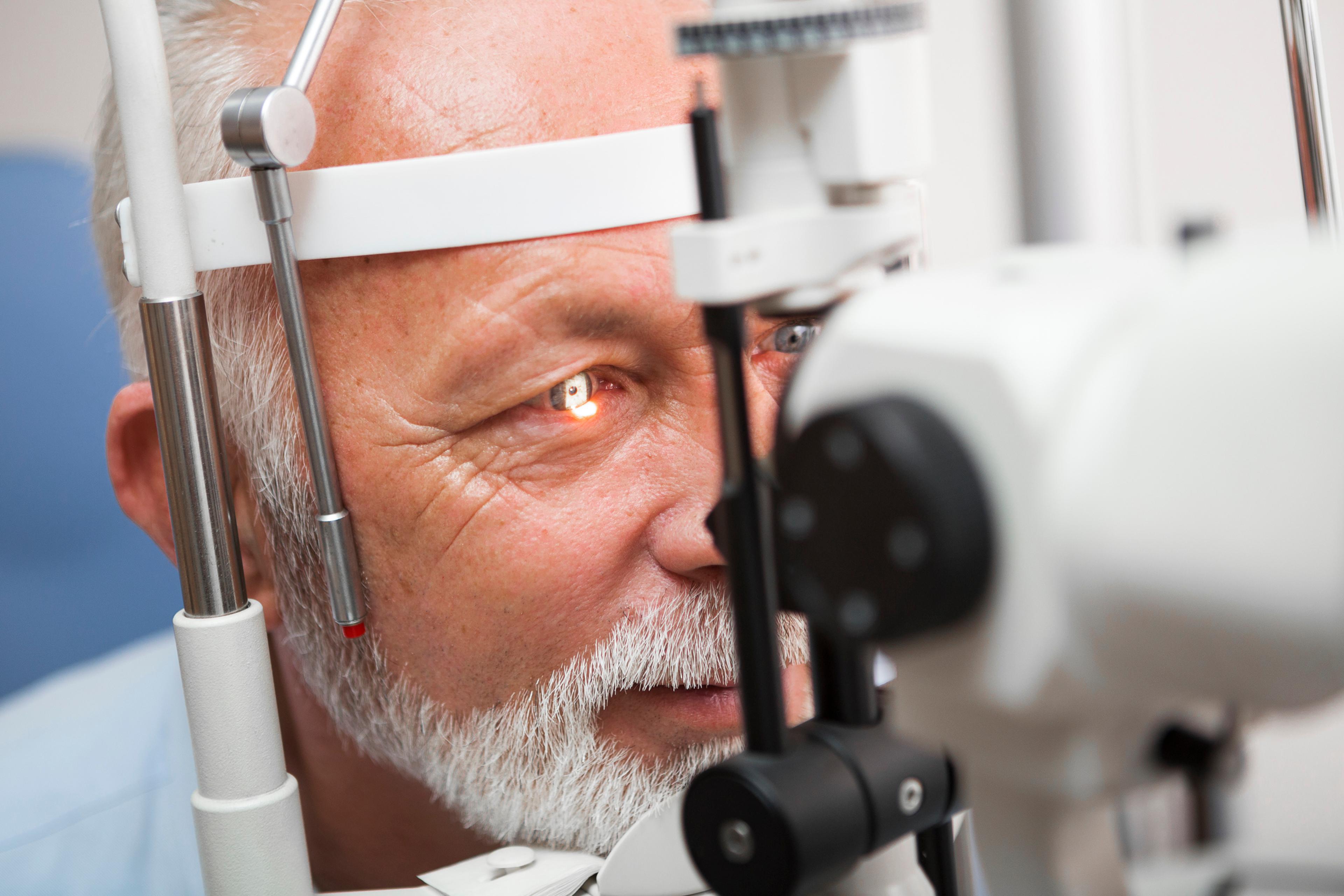
More than 4 million Americans have glaucoma, and up to half may not know it, according to the United States Centers for Disease Control and Prevention.
This common eye condition can lead to eye damage and even blindness. It is the second leading cause of blindness worldwide, according to the Cleveland Clinic.
Is it hereditary? Let’s look at glaucoma and how family history can play a role in developing it.
What is glaucoma?
Glaucoma is a group of eye diseases that can lead to damage, including vision loss and blindness, according to the Cleveland Clinic. Eyes produce a fluid key to their health; the fluid flows through the pupil to the front of the eye and drains where the iris and cornea meet. But when the fluid doesn’t drain as easily, it creates pressure on the eye. In time, the pressure can damage the optic nerve and lead to glaucoma.
As many as half of people in the U.S. who have glaucoma may not know it, especially as the condition is often progressive and symptoms may not appear until the condition is advanced. Common symptoms of glaucoma include:
- Eye pain or pressure
- Headaches
- Blurred vision
- Double vision
- Gradual vision loss, including bling spots or tunnel vision
Because the vision loss from glaucoma can be so gradual, it’s important to pay attention to any changes in your vision. Early signs of vision loss can include:
- Difficulty reading road signs
- Missing letters in words
- Missing a step while walking
- Difficulty seeing in low light
Is glaucoma hereditary?
Family history, especially a parent or sibling, plays a significant role in whether you develop glaucoma, according to the Glaucoma Research Foundation. Hereditary glaucoma is caused by gene mutations that are responsible for the eye drainage system.
More than 90% of glaucoma cases are primary open-angle glaucoma, and family history is one of the biggest risk factors. In this type of glaucoma, vision loss can start on your peripheral vision and slowly move to the center of your eye. This creates tunnel vision. This type of glaucoma is typically painless.
A family history of glaucoma can increase the risk of developing it by four to nine times, per the Cleveland Clinic.
Other health conditions such as Type 2 diabetes, high blood pressure and eye inflammation, all of which can be hereditary, can also lead to glaucoma.
Glaucoma prevention and treatment
If you have any symptoms or a family history of glaucoma, talk to your eye doctor.
The American Academy of Ophthalmology (AAO) recommends a comprehensive eye exam, which includes a screening for glaucoma, at age 40. Those with a family history may have the exam at age 35 or younger. The main glaucoma test is pupil dilation to allow the eye doctor to see inside the eye.
The condition is manageable with treatment. Treatments include medication to lower pressure within your eye – this can prevent pressure or reduce existing pressure – and surgery to drain the liquid.
Healthy eye habits are important for catching glaucoma early. Here are some tips on staying healthy:
- Pay attention to vision changes and glaucoma symptoms
- Protect your eyes from injury
- Stay physically active
- Maintain a healthy weight
- Talk to your eye doctor about other prevention methods
- Get an annual eye exam
Image: Getty Images
Related: