How the Low Residue Diet Promotes Colon Health

Jake Newby
| 3 min read
Jake Newby is a brand journalist for Blue Cross Blue Shield of Michigan.
Eating lots of fiber is virtually always a good thing. A diet high in fiber can help reduce the risk of chronic diseases and help you feel energized and fuller for longer.
But since fiber is harder to digest than other foods, it can be a difficult nutrient for individuals dealing with colon issues and different types of inflammatory bowel disease, such as Crohn’s disease and ulcerative colitis. If you suffer from one of these health conditions, your primary care provider (PCP) may recommend switching to a low residue diet.
What is the low residue diet?
Low residue diets may be an option for people looking to go easy on their digestive tract, also known as the gastrointestinal tract. "Residue" is considered undigested food – including fiber – that makes up stool, according to WebMD.
A low residue/low fiber diet limits the amount of food waste moving through the large intestine. By limiting certain foods, you decrease the amount and frequency of bowel movements, thus putting less pressure on your colon. That can be helpful for people dealing with digestive issues or preparing for certain medical procedures like colonoscopies. Here are foods to limit on the low residue diet:
- High-fiber foods like whole-grain breads and cereals and bran products
- Foods with high fat content
- Tough and fibrous meats, such as brisket, pork shoulder and flank steak
- Nuts and seeds
- Raw or dried fruits and vegetables
In addition to these high-fiber foods, limiting foods that cause residue – such as milk and milk products – is also recommended. Milk doesn’t contain fiber, but it may trigger symptoms of these conditions:
- Abdominal cramping
- Bowel obstruction
- Diarrhea
- Gastroparesis
- Slow-transit constipation
- Other GI distress
What foods can I eat on a low residue diet?
Below is a list of foods that get the green light on a low residue diet, broken down by foods groups. It’s important to note that cooking methods matter, too. Soft, well-cooked foods tend to be easier to digest than raw or crunchy options.
Grains
- Refined or enriched white breads and plain crackers, such as saltines
- Cooked cereals, like grits and cream of wheat
- Cold cereals like puffed rice and corn flakes
- White rice, noodles and refined pasta
Proteins
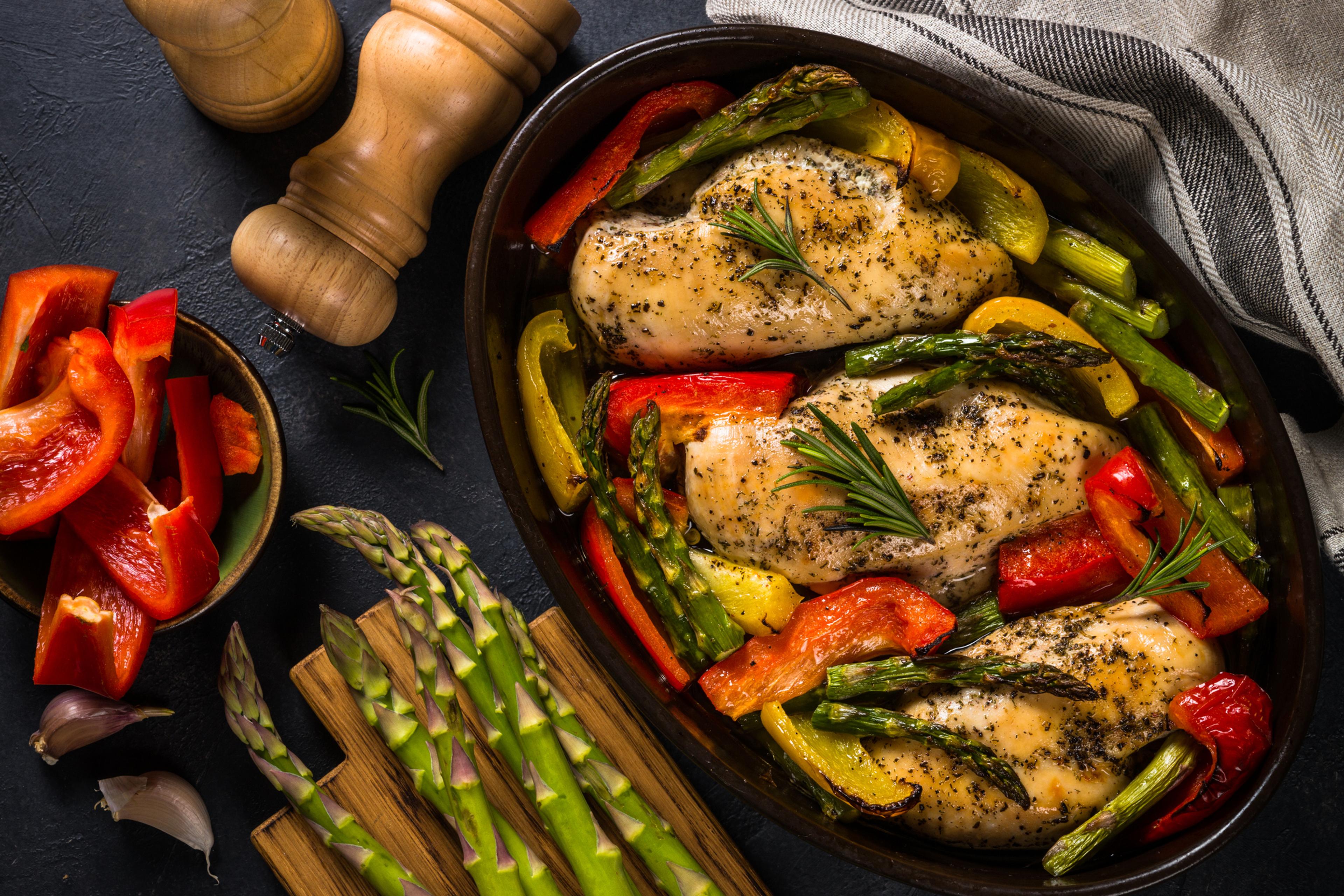
- Lean meat such as chicken, turkey and fish
- Eggs
- Tofu
Fruits
- Ripe bananas
- Melon
- Canned or cooked fruits without skins or seeds
- Avocado
- Pumpkin and other winter squashes cooked and canned without seeds
Vegetables
- Most cooked and canned veggies without skins or seeds
Additionally, Broths and smooth soups are appropriate for the low residue diet.
Sticking to the low residue diet: tips to stay successful
If you are new to the low residue diet, here are three tips to consider:
- Focus on smaller, more frequent meals instead of large portions: This can help digestion stay comfortable.
- Drink plenty of fluids: Hydration helps keep digestion moving smoothly even with lower fiber intake.
- Follow your PCP’s guidance: Because the diet restricts several nutrient-rich foods, it’s not meant to be permanent.
When used correctly, a low residue diet should be used as a temporary way to give your colon a break and help you get back to a more balanced way of eating sooner.
Keep reading:
- Best Diet for Gastroparesis
- How to Avoid Bad Medication and Food Combinations
- GERD: Everything You Need to Know
Photo credit: Getty Images