Why Do I Get So Hot When I Sleep?

Jake Newby
| 5 min read
Jake Newby is a brand journalist for Blue Cross Blue Shield of Michigan.
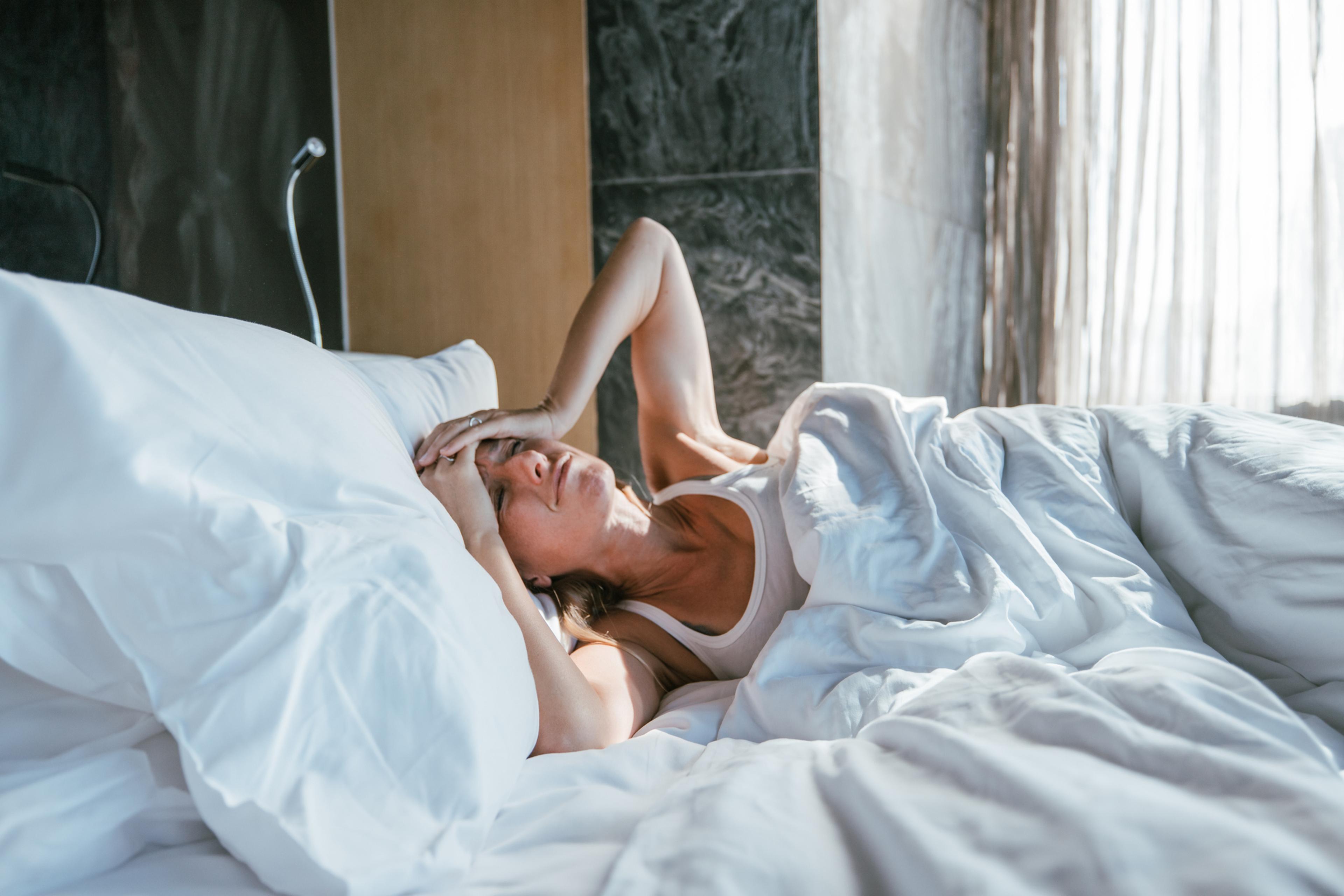
It’s common to get unusually hot in the middle of the night as you sleep – even if you don’t go to bed that way.
Getting hot while you sleep can be caused by your bedroom temperature, bedding, medications, alcohol, hormonal changes, infections or certain health conditions. In some cases, you may get so hot that you sweat while sleeping.
Most adults in the United States say their sleep quality is harmed more by being too hot than too cold, according to Gallup, which found that 57% U.S. adults report at least occasionally being too hot while sleeping. Around 10% to 15% of adults say it happens frequently. Let’s dive into these factors and help you figure out why you get so hot when you sleep.
Why do I get so hot when I sleep?
Our body temperature naturally rises and falls overnight. That warming phase during the REM stage of sleep is enough to make many people feel hot. Most of us maintain a consistent daily body temperature that drops at night by 1 to 2 degrees, according to WebMD.
What causes you to get hot while sleeping?
| Possible cause | What it can feel like |
| Warm bedroom or bedding: | Feeling overheated without sweating |
| Hormonal changes: | Hot flashes or night sweats |
| Medications: | Increased sweating or feeling unusually warm |
| Fever/infection: | Feeling hot followed by sweating or chills |
| Alcohol: | Increased sweating and disrupted sleep |
| Nerve damage: | Burning sensations, sweating or heat intolerance |
Nerve damage
Damaged nerves can cause some people to suffer from heat intolerance, sweating and burning sensations in the arms and legs, according to the Sleep Foundation, which states that these symptoms can sometimes flare up overnight. Conditions that can cause nerve damage include:
- Autoimmune disorders
- Diabetes
- Kidney disease
- Long-term alcohol use
- Metabolic disease
- Vitamin deficiencies
Hot flashes/hormonal fluctuations
Some people may get so hot during sleep that they experience night sweats. Night sweats can disrupt anyone’s sleep, but according to the Cleveland Clinic, they most commonly affect women because they often accompany perimenopause and menopause. Many women who go through perimenopause or menopause experience hot flashes or night sweats, two symptoms known as vasomotor menopausal symptoms.
Medications such as antidepressants
Night sweats are a common side effect in people who take antidepressants such as SSRIs, SNRIs and tricyclics. Certain medical conditions that affect hormones and their treatments can also trigger feeling hot at night, according to the Sleep Foundation. Medications and treatment methods like hormone replacement therapy alter hormone levels, which can induce sweating.
Fever
The body attempts to fight infection by raising its temperature, which activates the immune system and can cause the body to sweat to cool itself down.
Visit your primary care provider for medical treatment if you believe issues with feeling hot while sleeping or night sweats are caused by a medical condition or any medications you may be taking.
Changing your sleeping environment and habits for better sleep
If you don’t think you are a candidate for any of the above issues related to feeling hot while sleeping, changes to your lifestyle and sleeping environment can help. Here are some tips:
- Check your bedroom temperature: This can start by adjusting the temperature in your bedroom. For most people, the ideal temperature falls between 60- and 65-degrees Fahrenheit.
- Consider a different mattress and/or bedding: Bedding materials can contribute to overheating. Memory foam mattresses may be more likely to trap heat, so if you have one of those and suffer from night sweats, consider switching to a mattress with built-in cooling features and air flow. A cooling mattress pad or topper and lightweight, breathable bed sheets may also help.
- Wear loose and breathable clothes: Tight-fitting clothes also trap heat.
- Avoid alcohol, caffeine and certain foods before bed: Alcohol is associated with more night sweats, as are foods that are more likely to cause indigestion, such as foods high in spice, sugar or fat. Avoid these foods and beverages at least two to three hours before bedtime.
- Maintain a healthy weight: Excess weight has been linked to night sweats and can be related to some of the conditions mentioned above. Additionally, consider stress-relieving techniques like guided meditation and breathing exercises. A 2018 study concluded that eight weeks of mindful meditation training improved sleep quality, quality of life, attention levels and reduced vasomotor symptoms in postmenopausal women with insomnia.
Why do I get so hot when I sleep? Frequently Asked Questions
Why do I get so hot when I sleep?
Getting hot while you sleep can have several causes, including a warm bedroom, heavy bedding, tight clothing, alcohol, certain medications, hormonal changes and some health conditions.
What temperature should my bedroom be for sleeping?
A bedroom temperature of about 60 to 67 degrees Fahrenheit is commonly recommended for comfortable sleep, although the ideal temperature varies from person to person. If you regularly wake up feeling too hot, try lowering the thermostat, using breathable bedding and wearing lightweight sleepwear to help prevent overheating during the night.
Can medications cause night sweats?
Yes. Some medications can cause increased sweating or contribute to night sweats. Antidepressants, including selective serotonin reuptake inhibitors (SSRIs), serotonin-norepinephrine reuptake inhibitors (SNRIs) and tricyclic antidepressants, are among the medications associated with nighttime sweating. Hormone-related medications and treatments can also affect body temperature and sweating.
Can alcohol make you sweat while sleeping?
Yes. Alcohol can contribute to sweating at night and may also interfere with normal sleep. It can cause blood vessels to widen, which may make you feel warmer, while its effects on sleep can lead to more disrupted rest.
When should I worry about night sweats?
Occasional sweating at night is not necessarily a cause for concern, particularly if your bedroom is warm. However, frequent, unexplained or drenching night sweats may warrant medical attention.
Photo credit: Getty Images