How Do I Quit Grinding My Teeth at Night?

Jake Newby
| 3 min read
Jake Newby is a brand journalist for Blue Cross Blue Shield of Michigan.
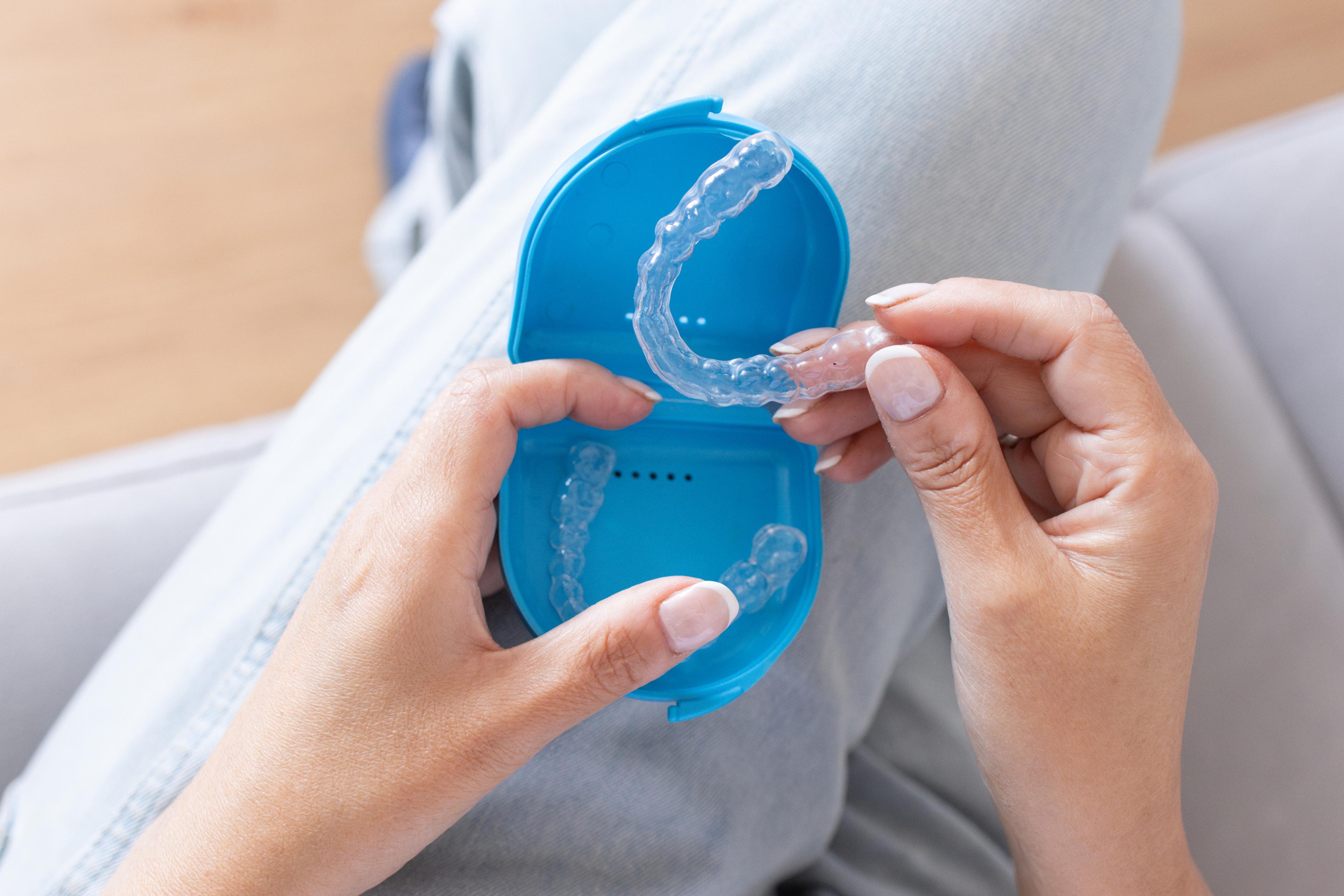
Waking up with a sore jaw, headache or sensitive teeth could be signs of nighttime teeth grinding, also known as sleep bruxism, which is the involuntary clenching or grinding of teeth during sleep.
When untreated, sleep bruxism can wear teeth down, damage dental work and contribute to jaw pain over time. In many cases, people don’t realize they are grinding their teeth until a partner hears it or a dentist notices signs of worn-down teeth during a cleaning.
The good news is that many people can reduce nighttime grinding by addressing underlying triggers, improving sleep habits and working with a dentist to protect their teeth. The right treatment depends on what's causing the grinding in the first place.
What causes teeth grinding at night?
The exact cause of sleep bruxism isn't fully understood. However, several factors are associated with nighttime teeth grinding, according to the Cleveland Clinic, including:
- Stress and anxiety
- Certain medications, such as selective serotonin reuptake inhibitors (SSRIs)
- Sleep disorders such as sleep apnea
- Caffeine or alcohol use
- Medical or dental conditions
Common symptoms include:
- Jaw pain or tightness upon waking
- Morning headaches
- Tooth sensitivity
- Flattened, chipped or worn teeth
- Ear pain without an ear infection
Lifestyle changes to reduce teeth grinding
If stress is contributing to bruxism, managing it may help reduce nighttime grinding. The Mayo Clinic recommends relaxation techniques such as meditation, yoga, exercise or taking a warm bath before bed. Maintaining good sleep habits and limiting caffeine and alcohol in the evening may also help. Smoking cessation is encouraged, since tobacco use is a risk factor for sleep bruxism.
Paying attention to symptoms like jaw soreness or headaches can help identify the problem earlier, according to Harvard Health, making it easier to seek treatment before significant tooth damage occurs.
When to schedule a dentist appointment for a mouthguard
If teeth grinding is frequent or causing damage, schedule a dental exam. If your dentist notices a problem during a cleaning, they can schedule one for you. Dentists look for worn teeth, jaw tenderness and other signs of bruxism while ruling out related conditions. In some cases, additional testing – such as a sleep study – may be recommended if a sleep disorder is suspected.
One of the most common treatments is a custom-fitted nightguard or splint. While a mouthguard doesn't necessarily stop the grinding itself, it helps protect teeth from further wear and can reduce strain on the jaw muscles.
Over-the-counter mouthguards are available, but a custom appliance from a dentist typically provides a better fit and greater protection. Dentists typically take impressions or digital scans to create a custom-fitted nightguard. Most people receive their nightguard one to two weeks after their impression appointment. The nightguard should be worn overnight each night.
If sleep bruxism is severe, dental correction may be recommended, even for those wearing nightguards. According to the Mayo Clinic, if severe tooth wear has led to sensitivity or difficulty chewing, you may need dental correction. Your dentist may reshape the chewing surfaces of your teeth or use crowns to repair damage.
If jaw pain, headaches, damaged teeth or disrupted sleep become common, talk with your dentist or primary care provider. Treating the underlying cause and protecting the teeth early can help prevent more serious dental problems in the future.
Photo credit: Getty Images
Keep reading: