Energy Drink Surge Among Teens Comes with a Health Warning

James Grant, M.D.
| 3 min read
James D. Grant, M.D., is the former executive vice president and chief medical officer at Blue Cross Blue Shield of Michigan. Dr. Grant is a native Michiganian and graduate of Wayne State University School of Medicine. He completed his post graduate training at Northwestern University Medical Center in Chicago.
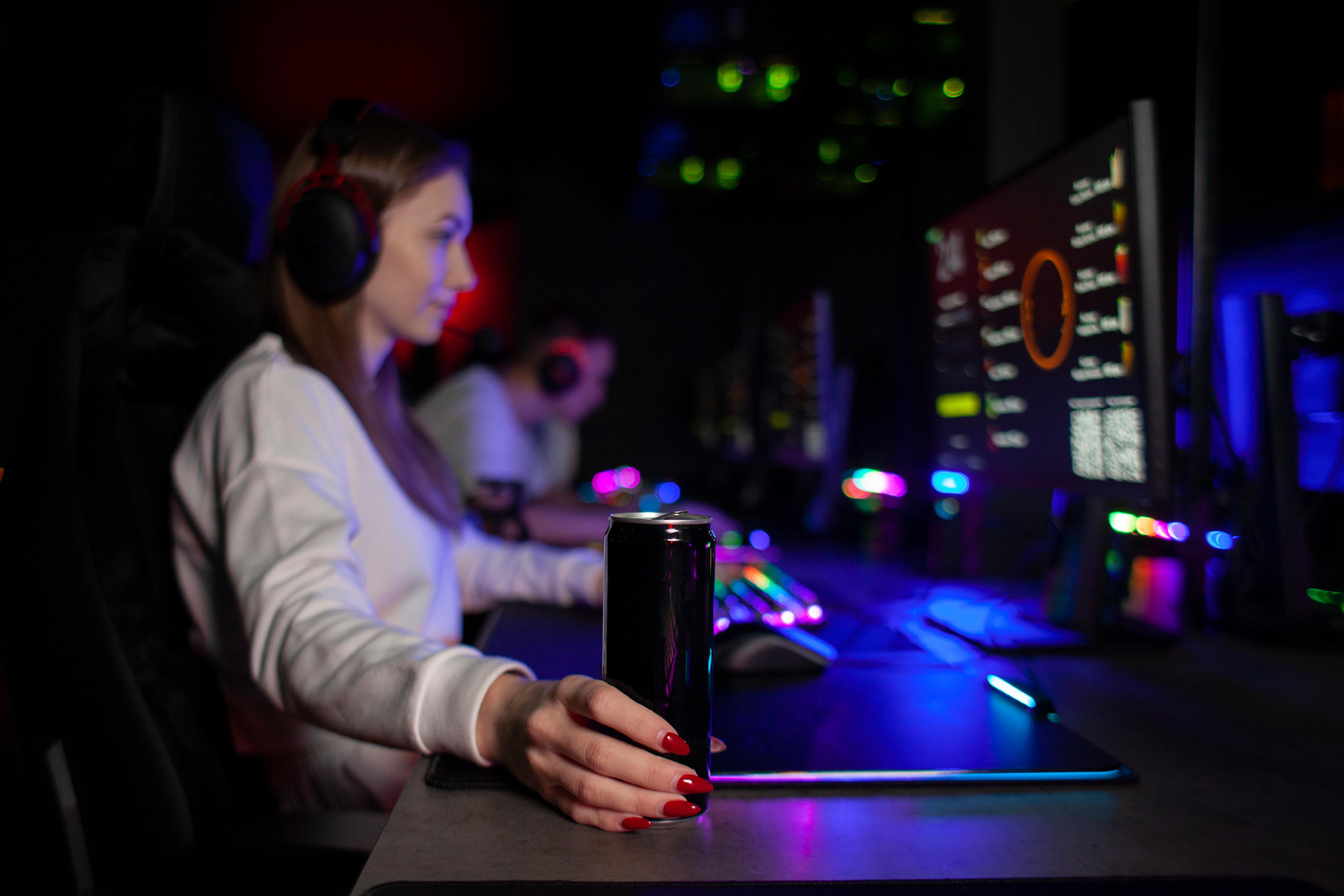
Energy drinks may seem harmless, and even helpful. After all, they are supposed to provide the body a boost to help power through a demanding schedule, study session or athletic event.
Yet, for teenagers, those energy drinks can have some harmful effects. In fact, the American Academy of Pediatrics recommends against adolescents consuming energy drinks.
Teenagers do not seem to be heeding that guidance, however. According to the U.S. Centers for Disease Control and Prevention (CDC), up to 50% of teens say they consume energy drinks.
What are the main dangers of energy drinks?
Energy drinks typically contain high amounts of caffeine – as much or more than what’s in a cup of coffee. A cup of coffee contains about 100 milligrams (mg) of caffeine, while some energy drink brands have double or triple that amount per serving.
For healthy adults, 400 mg of caffeine per day is a safe amount according to the U.S. Food and Drug Administration (FDA). However, the American Academy of Child and Adolescent Psychiatry recommends adolescents limit caffeine consumption to less than 100mg per day, and the American Academy of Pediatrics states there is no safe amount of caffeine for children.
Energy drinks also have additives that act as stimulants, such as guarana, taurine, and L-carnitine. Many energy drinks also contain added sugar.
While adolescents may initially feel more alert or attentive after consuming these beverages, the caffeine and stimulants also can quickly cause:
- Rapid heartbeat or palpitations
- Increased breathing rate
- Increased blood pressure
And because adolescent bodies and minds are still developing, they are more susceptible to additional health risks. Longer term, energy drinks may have negative effects on teens’ mental, behavioral, cardiovascular and digestive functions. For example, consumption can cause:
- Irritability
- Insomnia
- Anxiety
- Feeling jittery or shaky
- Stomach upset
- Headache
- Dehydration
In addition, energy drinks can negatively interact with medications, such as mood stabilizers or medications for attention deficit disorder. Adolescents – and adults – who take these medications need to exercise caution around the consumption of energy drinks.
Are “natural” energy drinks safe alternatives?
Because energy drinks are heavily marketed and widely available wherever beverages are sold, teens and adults may think they are safe to consume. Many brands of energy drinks are advertised as “healthy” or “natural.” But what does that actually mean?
Typically, “natural” is a term used to indicate there is nothing artificial or synthetic in the product. But the use of terms like “natural” or “healthy” is unregulated and can be deceptive.
“Natural” energy drinks still can contain very high levels of caffeine, but rather than synthetic caffeine, the caffeine come from sources like coffee beans, tea, chocolate, kola nuts or other sources with naturally occurring caffeine.
Combining caffeine with the added stimulants of energy drinks can make it risky to drink products that market themselves as “natural.”
The bottom line is this: Energy drinks are not recommended for adolescents. Parents can talk with their teens about the health risks of energy drinks. If teens need help quitting the energy drink habit, they can talk with their primary care provider to discuss the impacts and devise a plan.
James D. Grant, M.D., is senior vice president and chief medical officer at Blue Cross Blue Shield of Michigan. For more health tips and information visit bcbsm.mibluedaily.com.
Photo credit: Getty Images