Natural Remedies for Constipation
Lindsay Knake
| 3 min read
Lindsay Knake is a brand journalist and project planner for Blue Cross Blue Shield of Michigan. She previously worked in higher education and for The Saginaw News and Ann Arbor News.
Not being able to have a bowel movement is uncomfortable and difficult.
Without first reaching for medication, there are a few things you can do at home, including adding fiber to your diet and drinking more water. Here are some natural remedies that can help with constipation and information about when to seek medical treatment.
Increase your fiber intake
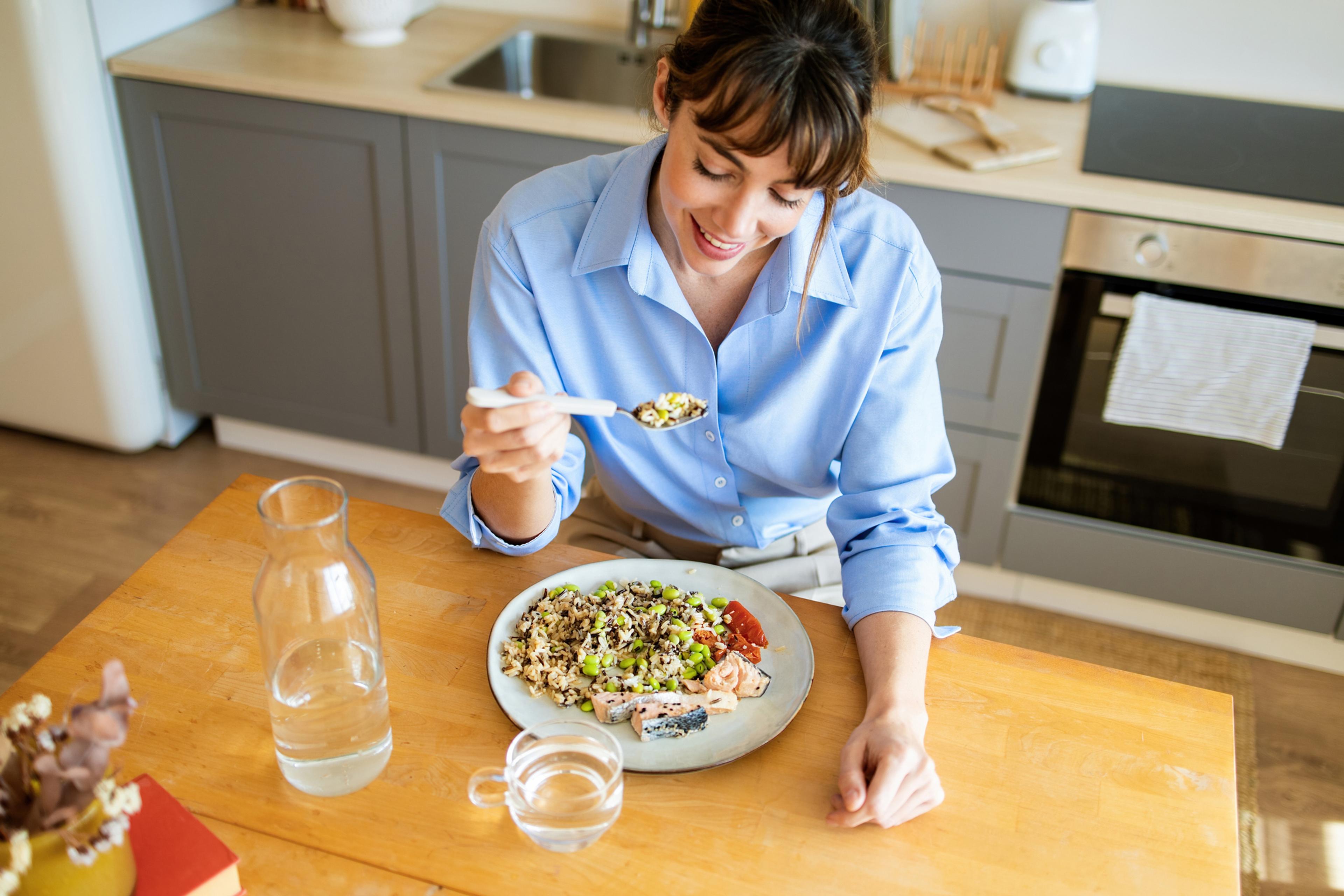
The first thing you can do is check your fiber intake. About 90% of Americans don’t get enough fiber. Current dietary guidelines for Americans recommend 38 grams of fiber per day for men and 25 grams of fiber per day for women.
Fiber comes in two types: soluble and insoluble. Soluble fiber absorbs water in your food, turns to gel and slows digestion, according to Harvard Health. Insoluble fiber adds bulk and help food move quickly through your digestive system.
Here are some high-fiber foods to add to your diet, per the National Institutes of Health (NIH):
- Fruits such as berries, apples, pears and oranges
- Vegetables such as carrots, broccoli, peas and collard greens
- Whole grains such as oatmeal and bran flake cereals
- Legumes such as lentils, black beans and chickpeas
- Nuts such as almonds and pecans
Avoid eating highly processed foods including chips, fast food and hot dogs because they contain little fiber.
While adding fiber to your diet, introduce it slowly as consuming too much fiber too fast can cause bloating, gas and cramping.
Stay hydrated
Drinking water is important to help keep food moving through your digestive system and make stool softer. As you increase your fiber intake, it’s also important to drink more water to aid the fiber, per Harvard Health.
So how much water should you drink? The National Academies of Science, Engineering and Medicine recommends men consume 3.7 liters (125 ounces) of water each day and women consume 2.7 liters (91 ounces) of water each day. About 20% of fluids should come from food. Staying on top of your hydration can also help prevent constipation.
Exercise
To get your bowels moving, you can also get the rest of yourself moving. Physical activity such as walking or running can help stimulate your intestinal muscles, per Harvard Health.
A review of studies found adults who get moderate cardiovascular exercise such as walking, swimming or cycling are less likely to have constipation than people who are inactive.
Bowel training
The NIH recommends trying to train yourself for a bowel movement at the same time each day to increase regularity. After a fiber-rich breakfast, try to go to the bathroom 15 to 45 minutes later, for example. It may take a little time to figure out the best schedule for you. Also, go to the bathroom as soon as you need to, and using a footstool can help you feel more comfortable.
When to see a physician for constipation
Talk to your primary care provider (PCP) If these aren’t enough to relieve your constriction or if you have:
- Pain in your abdomen or lower back
- Bleeding
- Inability to pass gas
- Weight loss without trying
- Vomiting
Treatments such as a laxative or stool softener can help with physician supervision. Some medications, including anti-nausea drugs, may cause constipation, and your PCP can review your medications and health history for triggers. In cases of fecal impaction, your PCP may need to perform a procedure.
Photo credit: Getty Images