How Blue Cross Blue Shield of Michigan is Lowering Drug Prices for Members
Blue Daily
| 3 min read
Drug prices are rising three times faster than inflation, and these prices are putting pressure on the entire health care system. Blue Cross Blue Shield of Michigan is leading the way in solutions to reduce costs for members.
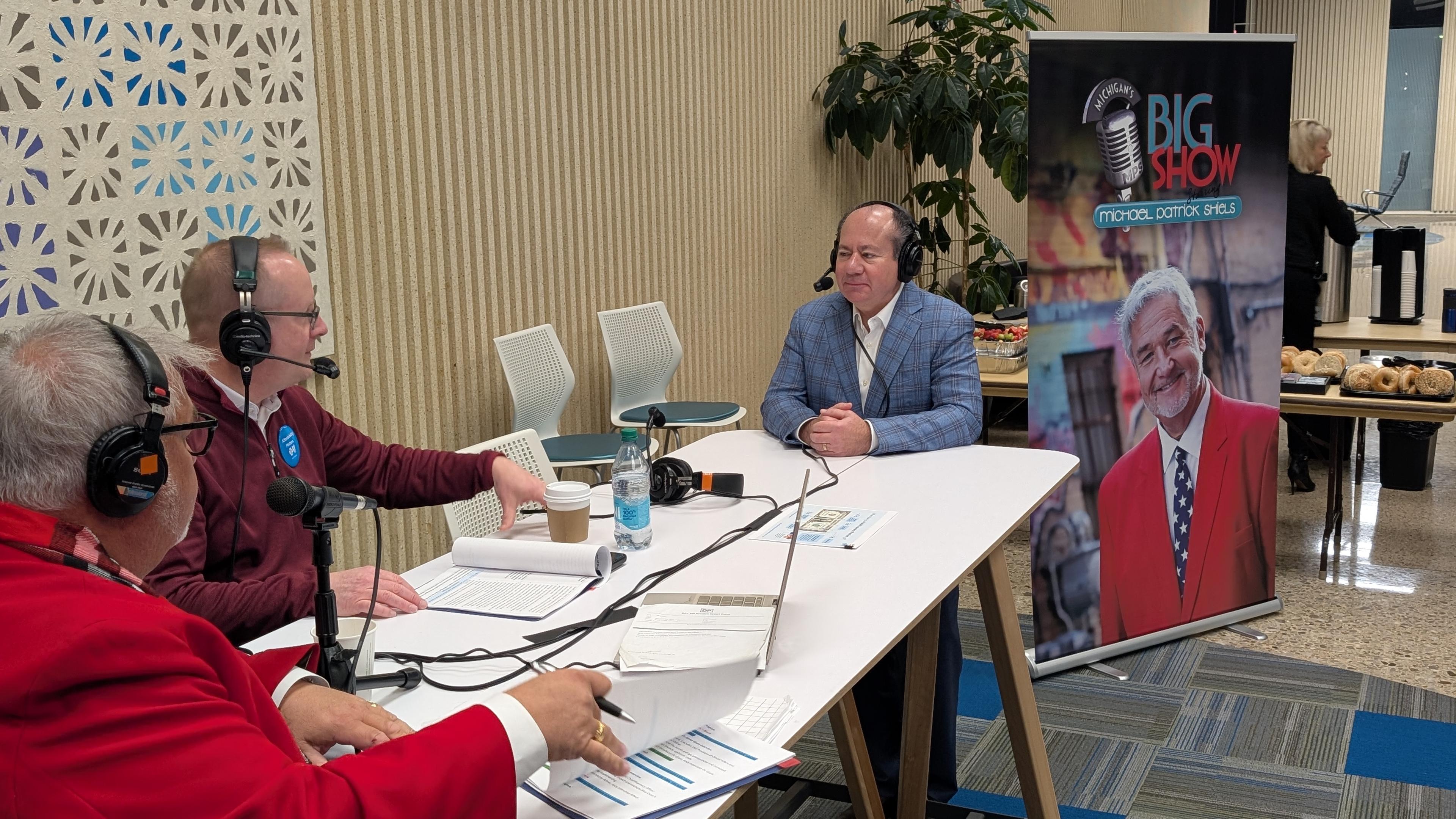
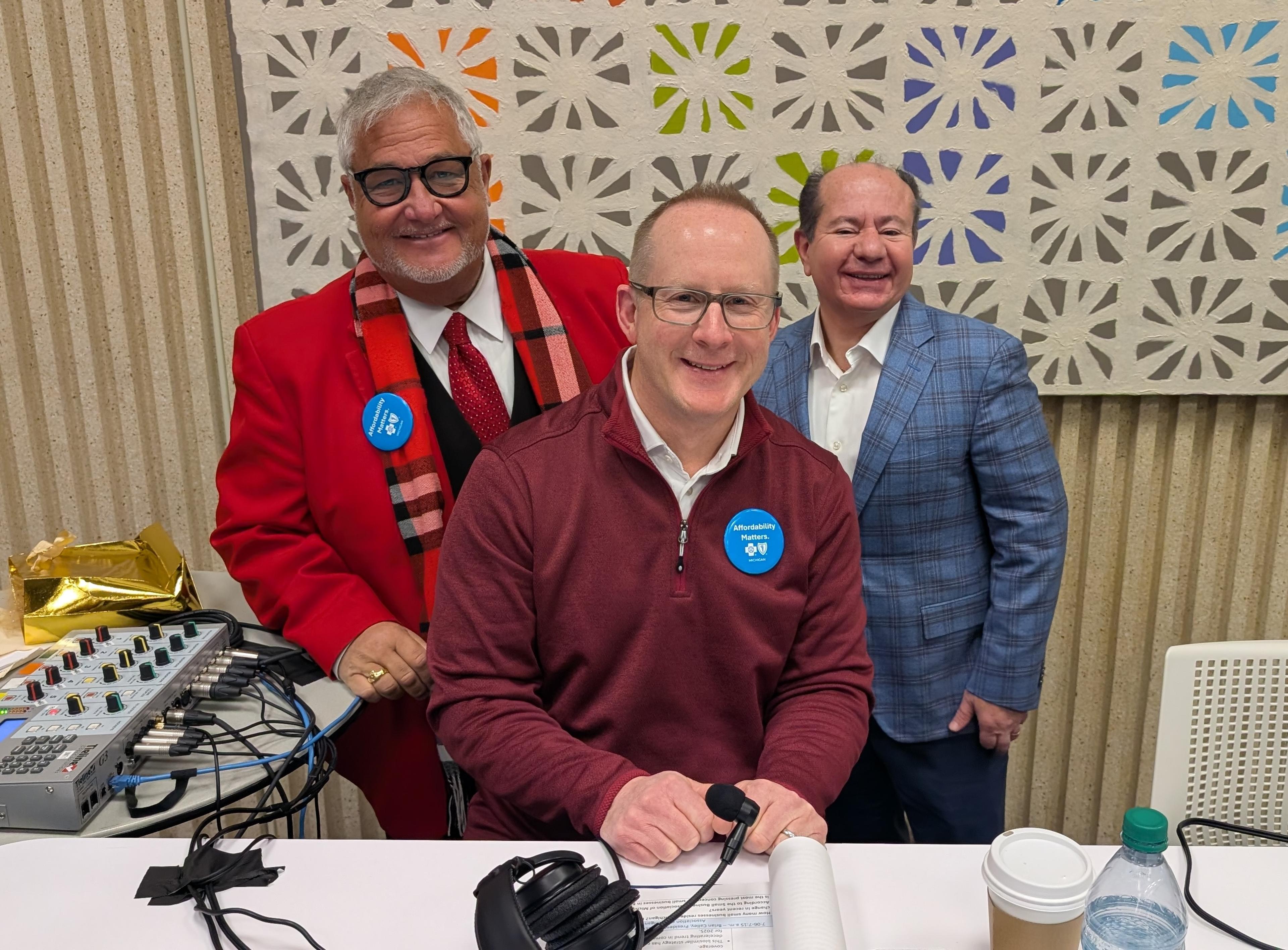
During the Michigan Big Show takeover, Blue Cross experts talked about drug prices and what Blue Cross is doing to help members afford the care they need.
One of the major challenges with prescription drugs is the cost. For Blue Cross, 21 cents of every dollar went toward paying for our members’ prescription drugs in 2024.
“There's a lack of regulation on pricing of prescription drugs in the United States, and really, manufacturers can set the price wherever they want,” said Atheer Kaddis, Blue Cross Chief Pharmacy Officer.
One example of drugs driving health care costs is GLP-1 drugs such as Ozempic®, used for diabetic therapy and weight management. Ozempic is at the top of Blue Cross’ list of 20 most prescribed brand-name drugs; the price of Ozempic is $1,221.89 per member per month. In 2024, Blue Cross paid nearly 15% more for our members’ pharmacy claims than in 2023. GLP-1s like Ozempic and versions of GLP-1s targeted for weight loss, such as Wegovy®, were major contributors to those claims.
“There's a lot of management of these drugs for weight loss, a lot of restrictions on [using them for] weight loss, and that's because of the cost. The cost is still too high,” Kaddis said.
He also used the example of treatments like cell and gene therapies, which are priced from $2 million to $4.5 million per dose. These treatments can be lifesaving and lifechanging, and the price tags also means they have a significant effect on an employer’s health care cost.
“We want to make sure that they're available when appropriate for patients, but it also requires us to manage the use of other drugs so that they are available,” he said.
Biosimilars save members 90% off list price
Of the 20 most prescribed brand-name drugs at Blue Cross, about half of them cost more than $1,000 per month per member.
Blue Cross has been working on effective solutions to manage the prices of these high-cost brand name drugs so members and employees can continue to afford these medications and good benefits. One solution is promoting lower net cost therapies such as biosimilars.
In 2025, Blue Cross converted 99% of members who use autoimmune therapies such as Humira® and Stelara® to biosimilars, which are safe and effective alternative versions of the drugs, similar to generic drugs, Kaddis said. Humira® is a specialty biologic drug used to treat autoimmune conditions like Crohn’s disease and rheumatoid arthritis. The biosimilars are about 90% less expensive than the list price of the brand name drugs. The switch to biosimilars from the brand name drugs saved Blue Cross $80 million last year, said Kaddis.
“That is the type of competition that lowers price, that helps people get the therapies that they need, that keeps the cost manageable upstream and preventing that significant cost from flowing downstream into the health insurance premium,” said Andy Hetzel, Vice President of Corporate Communications, Blue Cross.
By working on a biosimilar strategy and partnering with companies like Evio Pharmacy Solutions, Blue Cross is leading the way in Michigan toward a more affordable, sustainable health care system. Savings on prescription drugs help keep health care costs and premiums lower for everyone.
Learn more about how Blue Cross Blue Shield of Michigan is addressing health care affordability here, and listen to the full Michigan Big Show episode here.
Image: BCBSM
Related: